
Beat the ringing.
Start living again.
Oritone is a personalised tinnitus treatment built on over 30 years of tinnitus research. Our clinical cohort reported an average 79% reduction in tinnitus awareness at four months. Consult an audiologist to discover more

What our clinical cohort reported
Average results at four months from an open-label cohort study across participating Australian audiology clinics. Individual results vary.
Average reduction in tinnitus awareness
Average improvement in sound tolerance
Average drop in Tinnitus Functional Index score - from Severe to Very Mild
Davis P. B. and participating clinicians, Oritone Tinnitus Therapy – clinical cohort outcomes, open-label longitudinal cohort study, n = 28, data to March 2026. Unpublished; not yet peer-reviewed.
"My first appointment was only two months ago. It's made a remarkable improvement to the constant ringing that was causing me so much grief.
My tinnitus is now something that I can easily cope with"

A new approach to an old problem
Developed over 30 years of clinical research by Dr Paul Davis PhD, Oritone is a customised sound stimulation treatment for tinnitus.
Your audiologist's measurements are used to shape ocean-wave recordings into a sound therapy matched to your hearing (up to 16,000 Hz), played through AirPods.
The aim is to help your auditory system become less reactive to tinnitus over time.
In our clinical cohort, most patients reported a meaningful reduction in tinnitus impact - a shift from severe to very mild symptoms - by four months.¹
Four steps from clinic to relief
The path is straightforward. Visit a clinic, get assessed, download your customised audio prescription, and start listening. It's that simple.

Find your Oritone audiology clinic
Locate a qualified clinic near you to begin your assessment
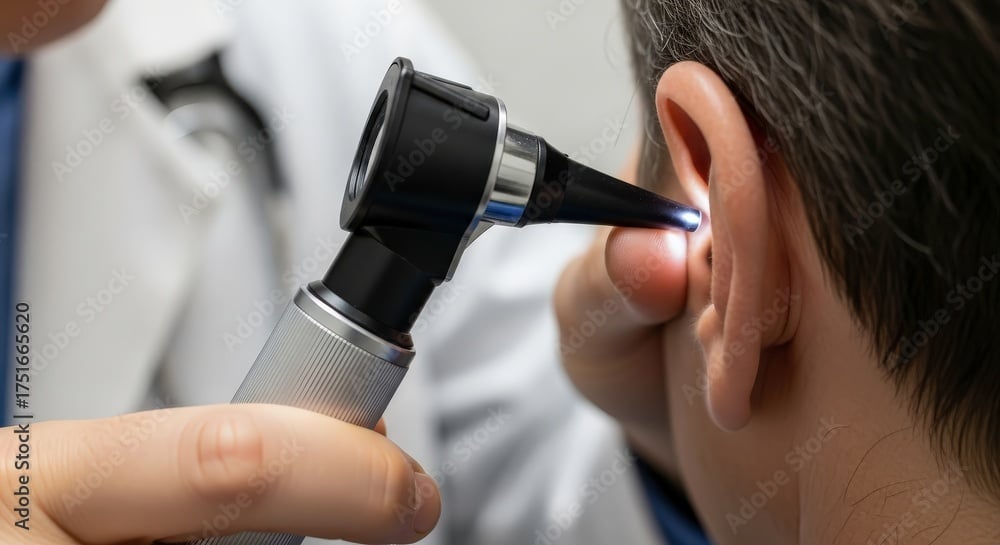
Complete your assessment
The clinician evaluates your specific tinnitus pattern and needs
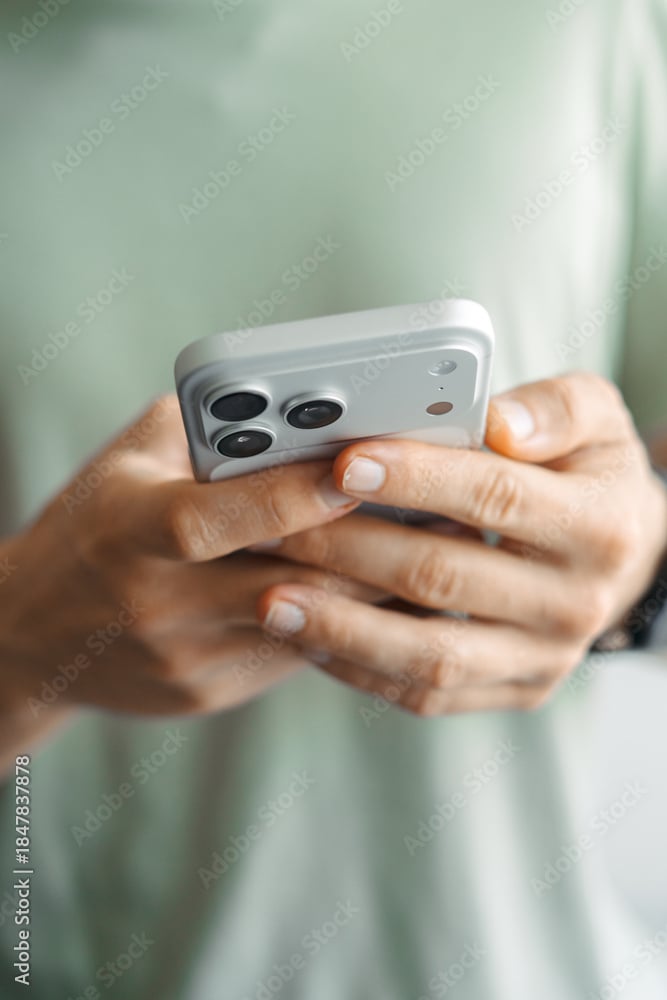
Download audio prescription
Receive your personalised therapy tailored to your unique condition

Listen daily
You listen as directed and return for regular reviews
What makes Oritone different
No expensive hardware
The Oritone treatment is delivered through your smartphone paired to a set of AirPod Pros. You can listen to the sound therapy whenever you need it
Simple to use
Open the audio file. Put in your AirPods. Let the therapy work quietly while you get on with your every day life.
Clinical evidence
Patient outcomes come from an open-label clinical cohort study across Australian audiology clinics.¹ Larger controlled trials are planned.
Comfortable to use
Sound is delivered at soothing listening levels; non-invasive and drug-free. Your audiologist checks it is suitable for you.
Ready to reclaim your quiet?
Talk to an accredited audiologist about whether Oritone is suitable for you

FAQ
Common questions about how Oritone works and what to expect from treatment
Oritone is a personalised tinnitus therapy delivered through accredited audiologists. It uses customised sound — generated from your unique hearing and tinnitus profile — to help the brain reduce its response to the tinnitus signal over time. It is not a masking product or a generic sound generator.
No. Your audiologist will ensure the prescription is appropriate for your profile before treatment begins. Oritone is non-invasive and drug-free and uses sound at comfortable listening levels. It's designed for relaxing, daily use.
Most sound-based approaches use generic audio designed to distract from tinnitus. Oritone is different. Your therapy is built specifically from your audiological data — your hearing thresholds, tinnitus pitch, loudness, and sound tolerance levels. The goal isn't to cover up tinnitus. It's to help your brain pay less attention to it, durably, over time.
The therapy is delivered through AirPods 3, AirPods 4, AirPods Pro 2, or AirPods Pro 3, paired with a smartphone or tablet. The AirPods use ear-scanning technology to calibrate the sound to your individual ear canal — an important part of what makes the delivery precise. Your audiologist will confirm compatibility at your initial appointment.
In our clinical cohort, average tinnitus impact scores improved over the first four months.¹ Some people notice meaningful change earlier, some later, and some do not benefit. Many patients moved from a severe tinnitus impact score to a very mild range within that period.
Oritone was developed by Dr Paul Davis, a tinnitus researcher and audiologist with more than 30 years of experience. Dr Davis is also the inventor of the Neuromonics Tinnitus Treatment, which has helped tens of thousands of people worldwide. Oritone represents his next-generation refinement of that work.
Oritone uses your full audiological profile to generate a highly customised broadband sound therapy. The sounds — based on ocean wave recordings, processed through a 42-step algorithm — are calibrated to your specific hearing and tinnitus characteristics. Listening daily encourages your auditory system to become less reactive to the tinnitus signal over time.
Oritone is currently available through accredited audiologists around Australia. You'll need to see a trained Oritone audiologist, who will assess your candidacy, conduct the required tinnitus and hearing tests, and oversee your treatment program.
Oritone is designed for adults with moderate to severe tinnitus — particularly those whose symptoms affect sleep, concentration, relaxation, or quality of life.
Only an accredited audiologist can determine suitability after a full assessment. Some people will be advised that Oritone is not appropriate, or referred to a medical specialist first.
The therapy is based on layered ocean wave recordings, transformed and calibrated to your hearing profile. Patients commonly describe the sounds as softer, clearer, and immersive — comfortable enough to use for extended daily sessions.
Not at the original daily intensity. After the active treatment phase, most patients transition to a maintenance schedule of around one to two hours per week to preserve the benefits they've gained.
Across a cohort of patients using the latest treatment algorithms, average Tinnitus Functional Index (TFI) scores dropped from the severe range (62) to very mild (29.6) within four months. More than 80% of patients reported a 40% or greater reduction in tinnitus awareness and disturbance by that point. Objective audiometric measures — including sound tolerance and tinnitus loudness — showed consistent, statistically significant improvements. These outcomes are consistent across the participating clinics.
Not yet. Current evidence is an open-label cohort study run across participating clinics and has not been peer-reviewed. Larger peer-reviewed and controlled trials are planned in 2027.
A full clinical whitepaper is available on request.
Stay informed on tinnitus relief
Get clinical insights & treatment updates in your inbox